Project updates and seafood served up at MMFN community meeting

By Irine Polyzogopoulos, Communications and Development Coordinator

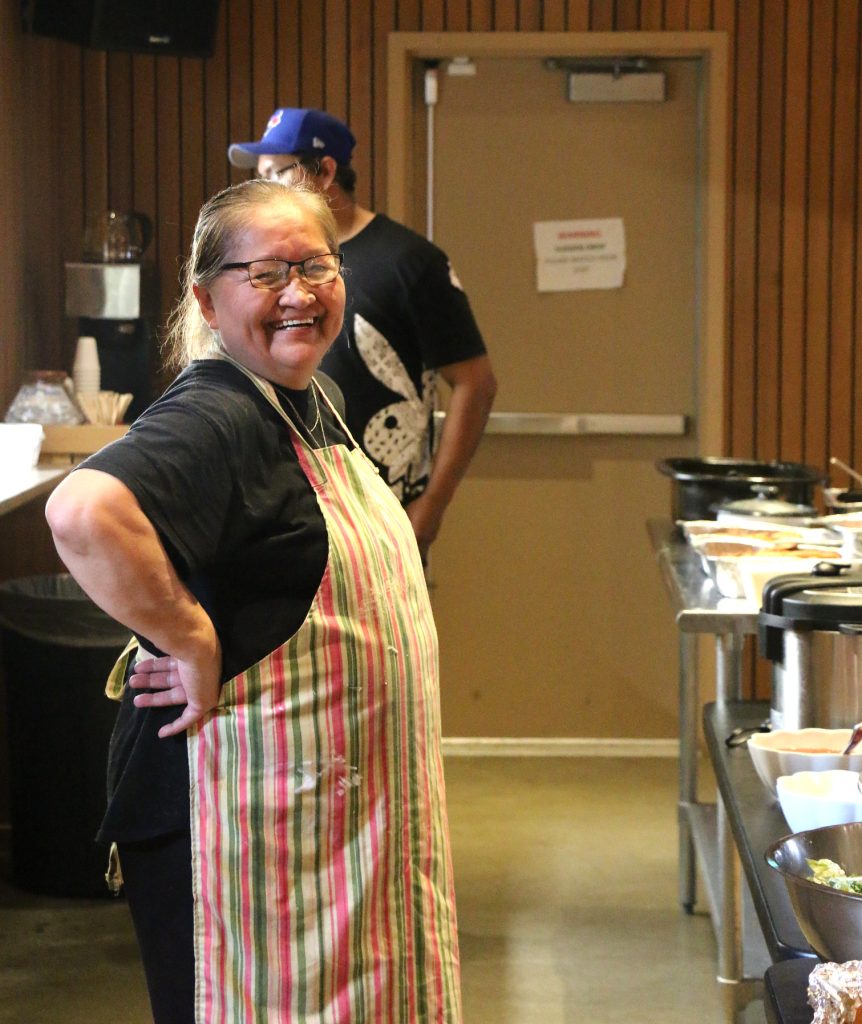
Nuu-chah-nulth people know the value of face time, and in late April, Mowachaht/Muchalaht First Nation (MMFN) community members gathered for a meeting and “fisheries feast” at the nation’s House of Unity.

The event brought together over 25 community members to hear updates and discuss fisheries projects underway in the Ha-houlthee (Chiefly territory) while dining on salmon, prawns and clams.

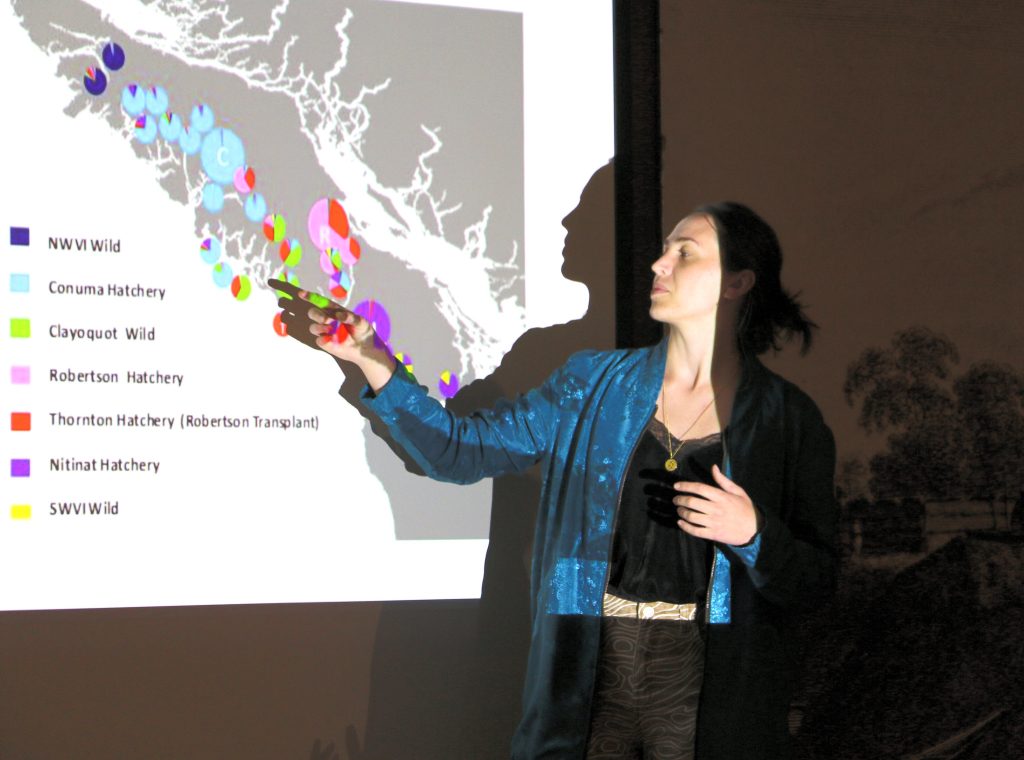
Following introductions and a welcome, Claudia Tersigni of Ha’oom Fisheries Society (HFS) kicked off the event with a report on 2024 salmon escapement and river swim data for multiple rivers including the Conuma and Tahsis.

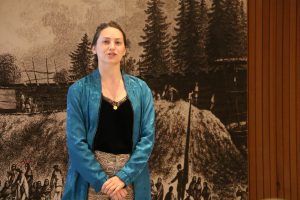
Claudia Tersigni, biologist with Ha’oom Fisheries Society

Dani Robertson, Uu-a-thluk’s Northern Region Biologist, shared a preliminary data summary for the Nootka Sound Microtrolling Program.

“Microtrolling is an effective method to intercept local juvenile Chinook stocks,” said Robertson, speaking to a crowd of varying ages.

The microtrolling program was piloted in 2020 as a collaboration between Fisheries and Oceans Canada (DFO), local First Nations and non-governmental organizations to catch and sample overwintering juvenile suuhaa (Chinook salmon).

Intercepting and collecting samples from the stocks allows scientists to characterize distributional patterns and investigate the health and condition of the fish. Staff have also built mentorship into the program by involving local MMFN youth in the microtrolling efforts.

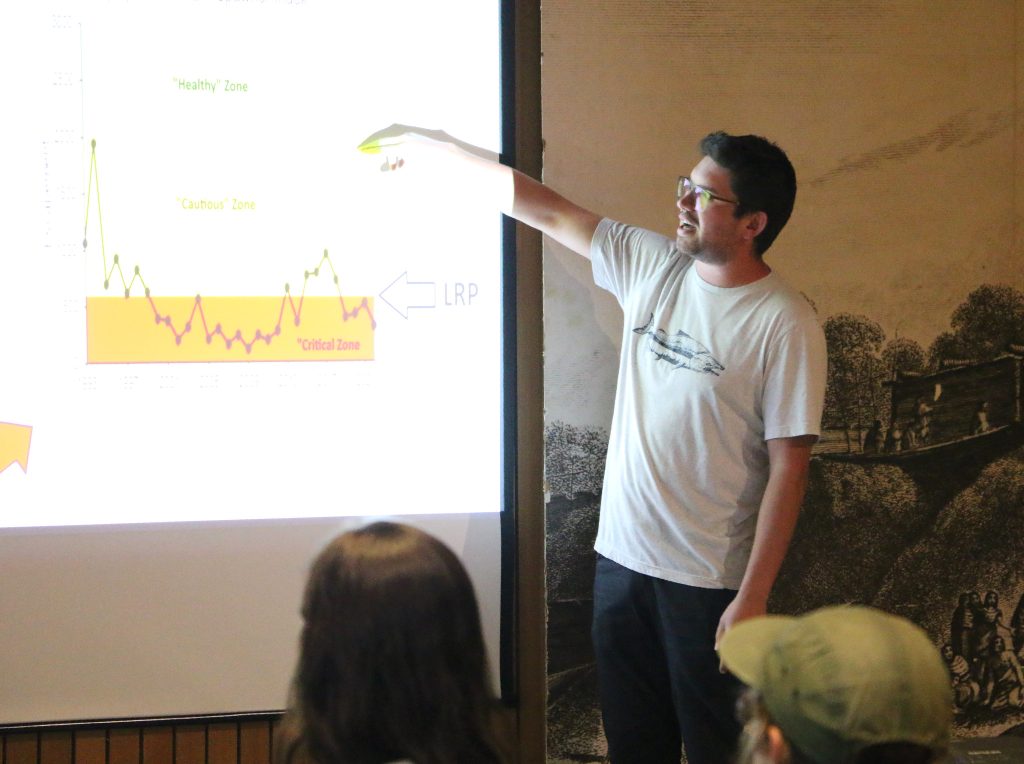
Salmon health discussions led to an exploration of the importance of genetic diversity and wildness for salmon populations, as the majority of Chinook harvested are of hatchery origin.

“Genetic diversity is important because it creates resilience in a population,” said Vanessa Moll, Fisheries Biologist for MMFN. Moll added that lack of genetic diversity is a high-risk limitation to rebuilding.

Vanessa Moll, MMFN Fisheries Biologist

Salmon rebuilding is a priority for WCVI First Nations and communities.

In late March, after several years of development, a WCVI Chinook Salmon Rebuilding Plan was approved by then Fisheries Minister, Diane Lebouthillier. The creation of the plan is the result of an ongoing collaboration between West Coast First Nations and DFO.

 The plan is now in its implementation phase and will be reviewed in one year, at which time Jared Dick’s research on the Nuu-chah-nulth perspective on WCVI Chinook rebuilding objectives will be integrated.

Dick presented an update on his master’s project, “Pairing Nuu-chah-nulth Knowledge and Western science to inform the West Coast Vancouver Island Chinook Rebuilding Plan” at the community meeting.

His research is guided by Candace Picco, HFS biologist, and Carrie Holt, Research Scientist at DFO, in collaboration with the University of Victoria (UVic). He has completed two-thirds of his interviews with elders and knowledge-holders and aims to complete his thesis by December 2025.

“It’s important to meet in person and keep people up to date on the projects that affect their community,” said Dick.

Jared Dick, Uu-a-thluk Central Region Biologist

Discussions went beyond salmon and into herring and seafood sustainability.

Community members were updated on the Uuʔaałuk ƛusmit (Taking Care of Herring) Project. A collaborative effort between Uu-a-thluk, Nuu-chah-nulth Nations, DFO and Landmark Fisheries staff, the project is opening a new chapter in WCVU ƛusmit (herring) management and is a positive example of inter-organizational relationship building.

Moll informed community members that MMFN is working with Ocean Wise on improving eco-labels for the nation’s small-scale fisheries.

Together, they are starting by co-developing a framework to assess the fisheries. The aim is to align sustainable development goals with local priorities by understanding the community’s conservation needs and creating seafood markets that fit those needs.

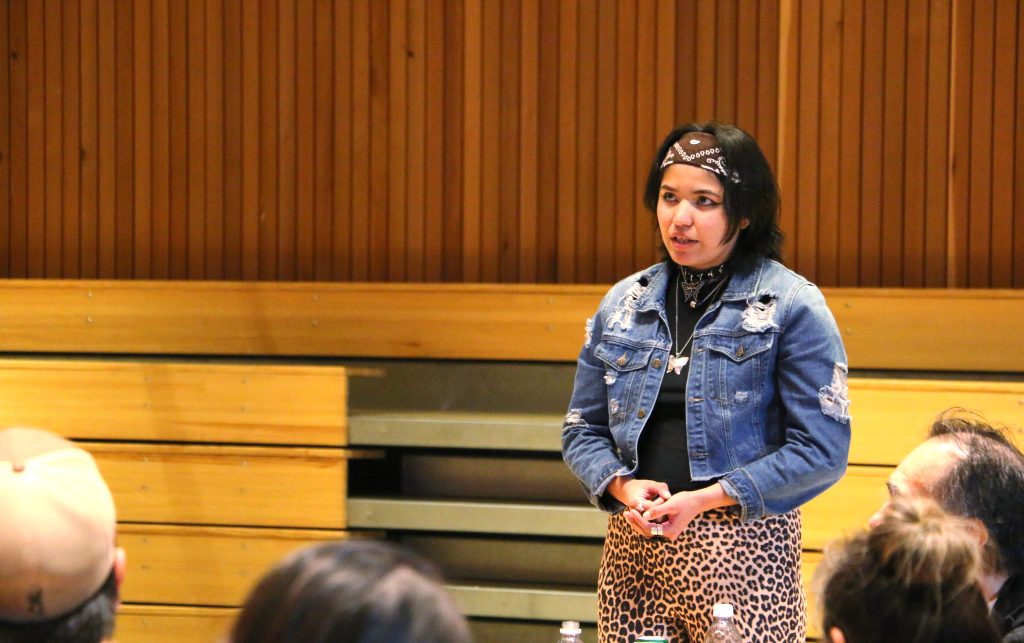
Lauren Dean, Communications Specialist for HFS, delivered the final presentation of the evening focusing on food access and priorities.

She updated the room on the MMFN Food Security Project, which relies on input from community members to build a picture of the current state of household food security. To date, 37 surveys have been completed, and staff hope to conduct 63 more.

Any MMFN community members interested in participating can contact Kayla Savey at chr@yuquot.ca or Abigail Titian-Manson at abigail@haoom.ca.

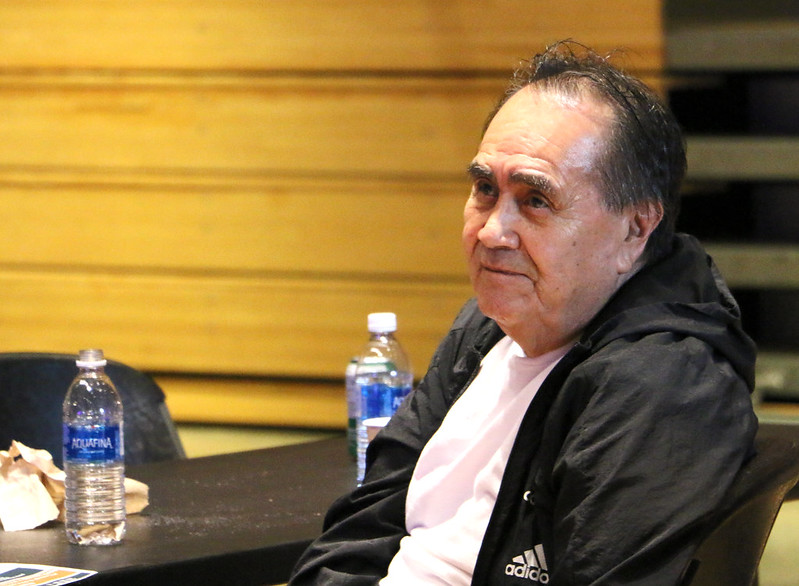
As the evening came to a close, soft-spoken elder Bill Howard shared his thoughts.

“We always had a lot of respect for our fish … they’ve always been a part of our lives … we even called them our relatives,” said Howard.

“I felt I had to say something as it’s important for an elder to speak — thank you for coming.”

Latest Video - Who We Are

Latest Articles

Send Us A Message

Follow