
River of returns: Community and tradition thrive on the Tsu-ma-uss

By Irine Polyzogopoulos, Communications and Development Coordinator

The 2025 Tsu-ma-uss (Somass) River fishery season brought a sense of accomplishment and optimism to the Tseshaht and Hupačasath First Nations, as strong salmon returns translated into meaningful food and ceremonial, and economic opportunities for the nations’ community members.

This year’s pre-season forecast for Robertson Creek Hatchery Chinook was 83,000, but by September 11, the in-season “reforecast” had jumped to 135,000. As of that date, Somass First Nations had harvested 23,940 Chinook, a testament to both the abundance of the run and the diligent management by the nations’ fisheries departments.

Sockeye numbers were also impressive, with the October 2 West Coast Vancouver Island Salmon Stock Assessment bulletin reporting 63,984 sockeye caught to date by Hupačasath and Tseshaht fishers.

“The sockeye return came in close to the preseason forecasted range of 500-700k, however, the Great Central Lake/Sproat Lake split was worse than expected so management actions were required to increase the escapement of Sproat sockeye,” said Graham Murrell, Hupačasath Fisheries Manager.
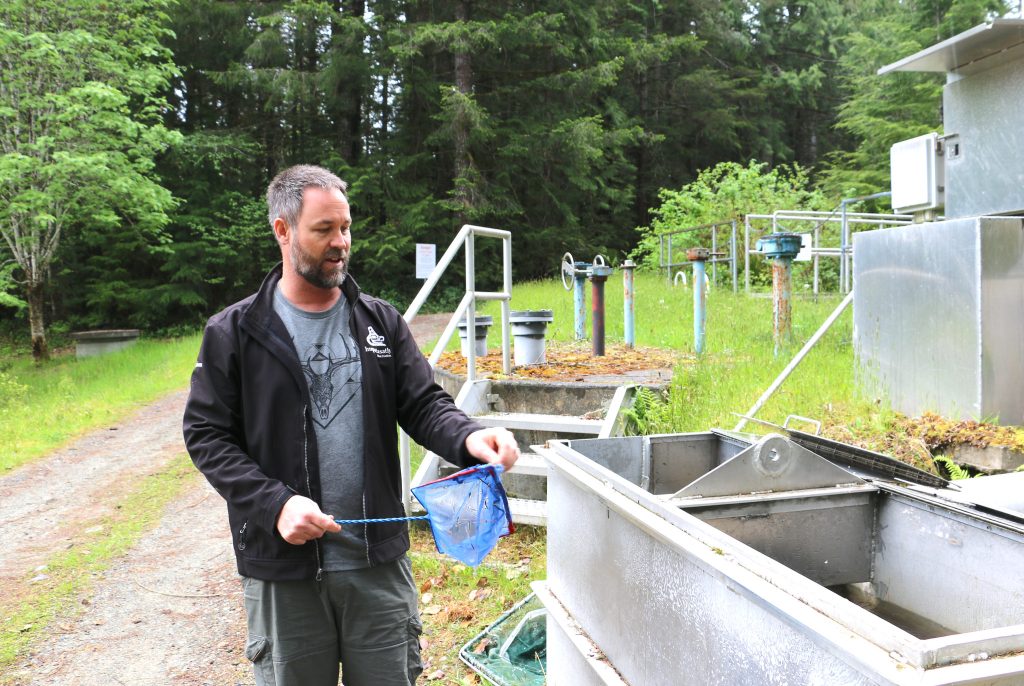
Hupačasath Fisheries Manager, Graham Murrell, in 2022.
Murrell is referring to the annual spawning migration undertaken by sockeye salmon, during which they enter the Tsu-ma-uss River from the Alberni Inlet and continue upstream to one of two destinations: Great Central Lake or Sproat Lake.

He added that the Great Central return was very good, highlighting the importance of adaptive management in ensuring the health of both runs.

For Shae Doiron, a fisher from Tseshaht First Nation, the season was not just about numbers, but about family, tradition and community.

“I fish with my dad – my nephews will come, my sons too, but the one who’s most consistent in attending is my seven-year-old nephew,” said Doiron.

Fishing is a family affair; a tradition passed down through generations.

“I was always around my grandparents cutting fish … My grandfather instilled it into my father, and then my father instilled it into us,” she added.

Doiron’s summer was spent on the water, harvesting both sockeye and Chinook for food and economic purposes.

“We did really good this year, me and my dad,” she said, noting that the economic fishery brought improved prices on past years.

On community fish days, Doiron does sets for the community, ensuring elders, widows and those unable to fish themselves receive their share. When selling fish, she works with buyers like Hub City and French Creek or sells directly to the public (which often includes tourists).

She also keeps tradition alive by smoking fish.

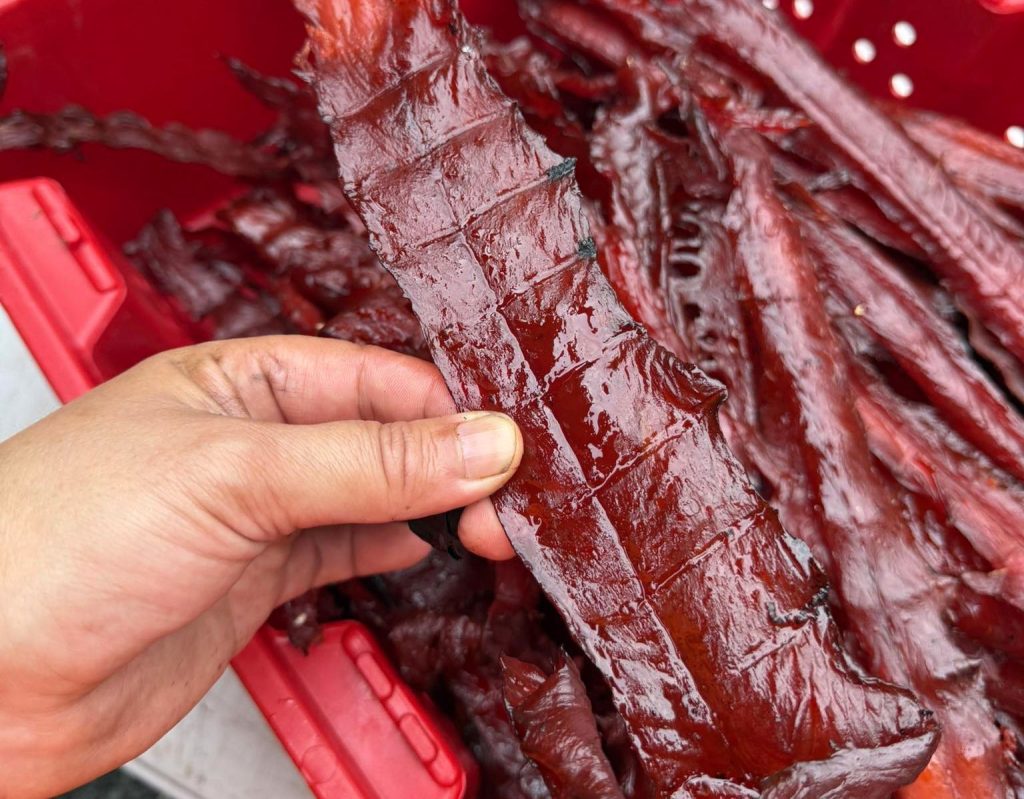
“I just finished smoking 370 sockeye and I’m at the tail end of pulling the upsqwii and I just threw in 350 more chum,” Doiron said.

Shae Doiron advertises upsqwii (dried salmon) for sale on her Facebook page.

The nations’ fisheries departments managed the fisheries to provide good food and economic opportunities for community fisheries throughout the 2025 season. Hupačasath Fisheries staff monitor Chinook, sockeye, coho and chum returns at the Sproat and Stamp Falls fishways.

According to Murrell, “Hupačasath Fisheries is planning to monitor the sockeye spawning grounds this year to see what a lower escapement to Sproat Lake looks like in terms of spawner distribution in the lakes.”

He added that fall and spring acoustic and trawl surveys will continue to determine the abundance and condition of rearing sockeye in Great Central, Sproat, and Hucuktlis (formerly Henderson) Lake, with out-migration monitoring in each lake planned for the spring.

Doiron echoed the importance of responsible fisheries management and long-term thinking.

“Some people don’t realize there’s two different runs that run through our river and if one’s low, we can’t just keep fishing. We have to make sure – we have to instill that those runs are getting what they need for a good return in four years from now otherwise it’s just irresponsible fishing.”

As the season closes, Tseshaht and Hupačasath First Nations celebrate not only a successful harvest, but also the strength of their stewardship, the resilience of their traditions and the promise of future returns.

Latest Video - Who We Are

Latest Articles

Send Us A Message

Follow