In a promising development for coastal stewardship and scientific partnership, Uu-a-thluk and Nuu-chah-nulth Nations have renewed their collaboration with the Marine Mammal Science division at Fisheries and Oceans Canada (DFO).
This relationship marks a significant step toward cooperative research, knowledge sharing and co-management of marine mammals vital to local ecosystems and Nuu-chah-nulth communities.
“It’s a really positive step,” said Whehs-Wiss-Sunup, Jared Dick, Uu-a-thluk’s Central Region Fisheries Biologist.
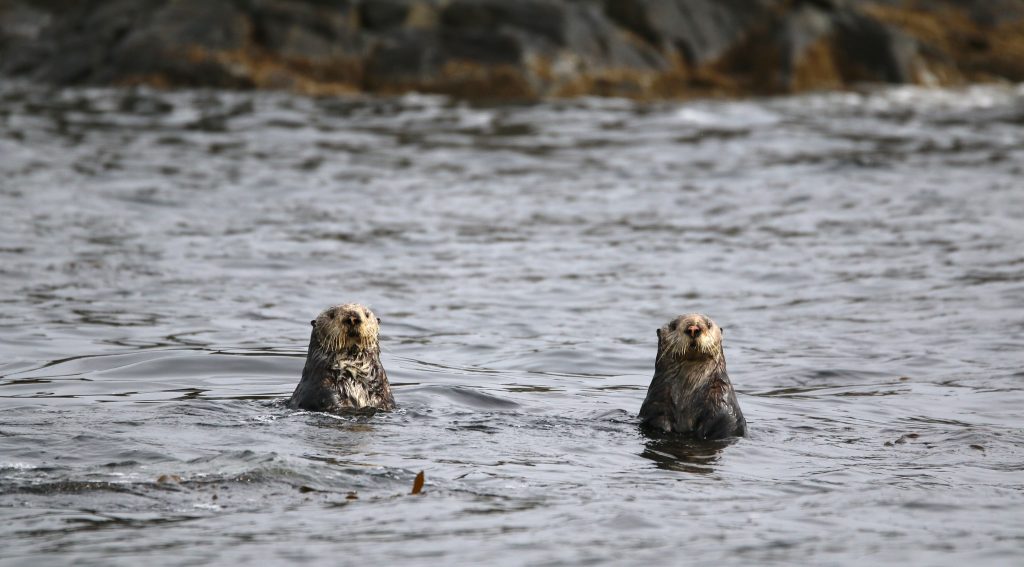
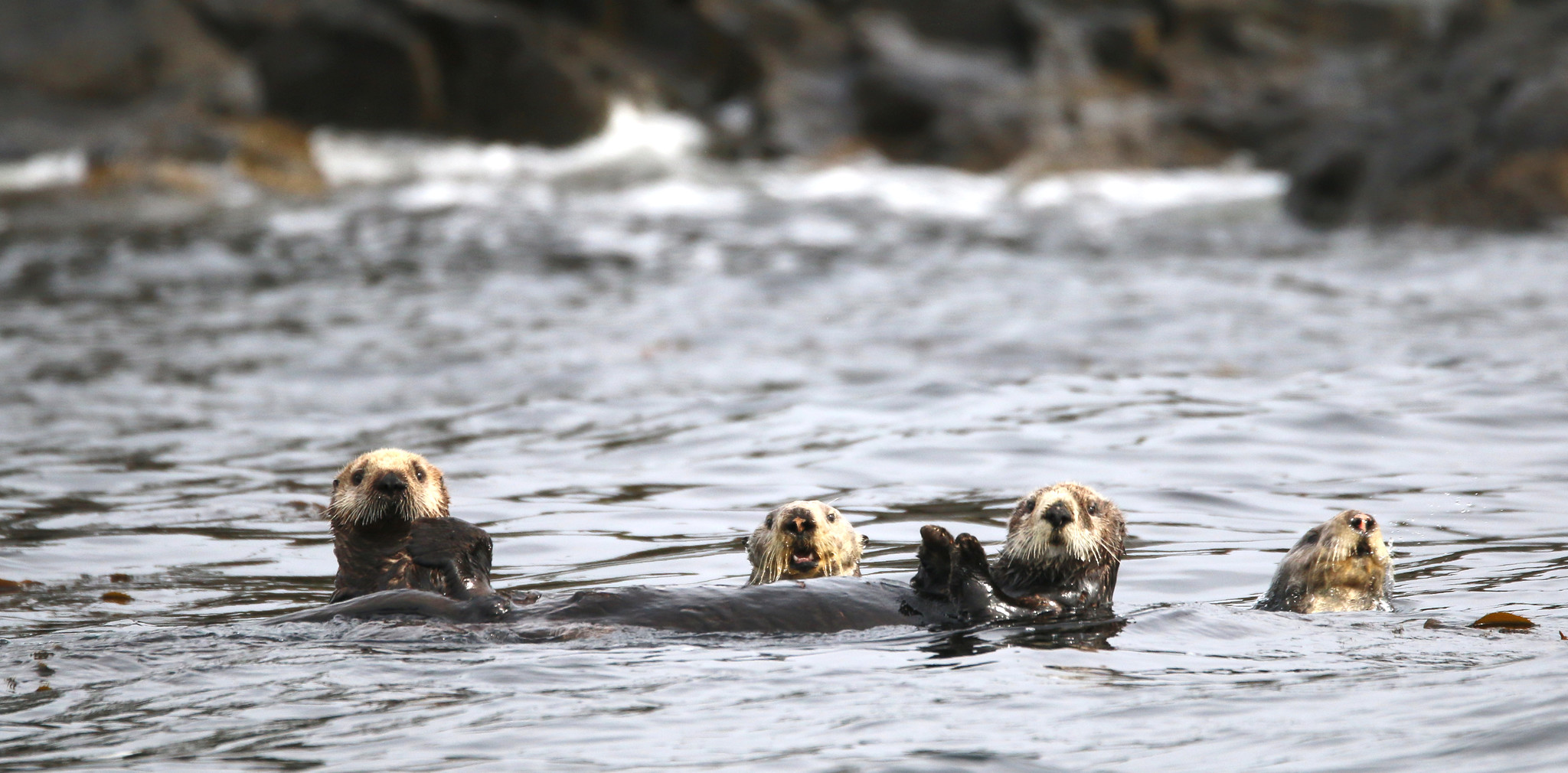
While much attention has been given to the ongoing assessment of k̓ ʷak̓ ał (sea otters) — a keystone species whose presence profoundly shapes the marine environment — the rekindled partnership is not limited to otters alone.
It encompasses a holistic approach to the management of whales, sea lions, seals and other marine mammals, reflecting a shared commitment to ecosystem-based stewardship and the weaving of Indigenous and Western scientific perspectives.
“Sharing information and agreeing to work together on future sea otter assessment surveys, and more broadly, on marine mammal management, is an encouraging development,” said Dick.
Sea otters along the West Coast of Vancouver Island continue to proliferate, with an estimated abundance of 12,058 otters in 2023—up from about 7,000 in 2017. This reflects an annual growth rate of 4.6 per cent between 2018 and 2023.The animal’s exponential growth and voracious appetite is troubling for many Nuu-chah-nulth-aht.
“It’s getting quite concerning and has been for a while,” said Mowachaht/Muchalaht Tyee Ha’wilth Mike Maquinna in a June 2025 Ha-Shilth-Sa article.
“These mammals are eating a lot. They are taking away from members of my community that would normally go out and have some of these clams and oysters and crabs.”
Recent discussions at the Council of Ha’wiih Forum on Fisheries have highlighted the challenges and complexity of managing k̓ ʷak̓ ał populations, however, this is not a new concern for Nuu-chahnulth
Nations or DFO.
As far back as 2007, DFO estimated that sea otters had repopulated 25 to 33 per cent of their historic range in British Columbia. This milestone contributed to the SARA (Species at Risk Act) downlisting and renewed discussions about reinstating a ceremonial harvest for Nuuchah-nulth-aht.
In early 2009, Uu-a-thluk took significant steps to prepare for this possibility. At the February 2009
Council of Ha’wiih Forum on Fisheries meeting, staff distributed a draft sea otter management plan to Ha’wiih and their representatives.