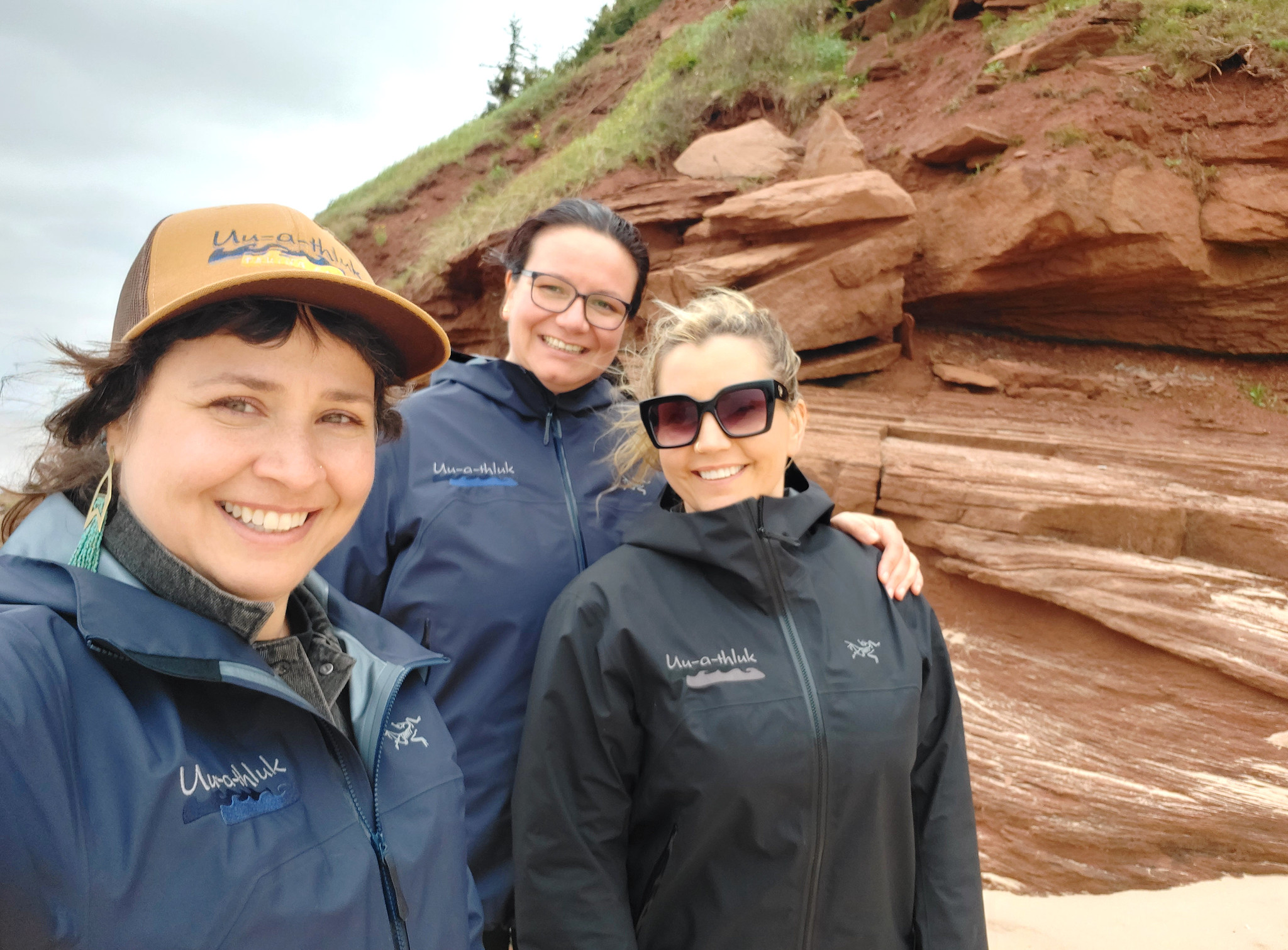
In early June, Uu-a-thluk team members Alison Wale, Danielle Burrows and Irine Polyzogopoulos travelled to Epekwitk (Prince Edward Island) to present at the Coastal Zone Canada Conference.
Since its inception in 1994, the biennial Coastal Zone Canada conference has united professionals dedicated to Canada’s coastal stewardship. Over 450 registrants attended the 2025 gathering to share research, community initiatives and management practices under the theme of, “Strengthening Coastal Resilience and Relationships.”
“It was amazing to be surrounded by scientists and other professionals working towards protecting our coastlines for future generations,” said Wale.
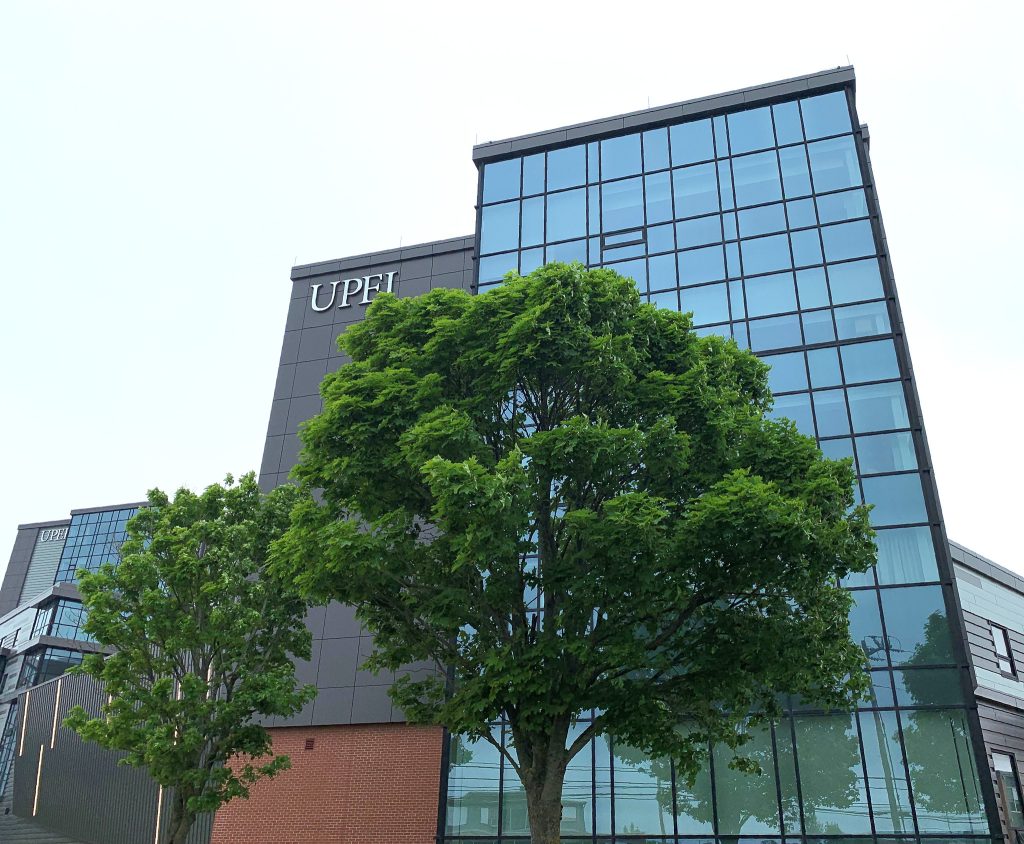
Hosted at the University of Prince Edward Island on Mi’kma’ki (ancestral and unceded territory of the Mi’kmaq People), the three-day conference kicked off in a good way with an opening ceremony led by respected Elder, Methilda Knockwood-Snache.

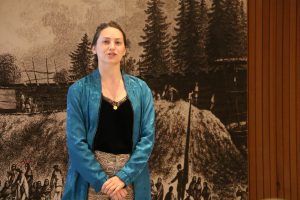
Knockwood-Snache, also known as Turtle Woman, performed a traditional water ceremony and spoke on behalf of the water. She shared the Mi’kmaq creation story and underscored the importance of ushering negativity out of discussions and thinking before speaking.
The ceremony also included a performance by the Mi’kmaq Heritage Actors and a welcome from Regional Chief Wendell LaBobe, who shared his concerns about coastal erosion on Mi’kma’ki.
Keynote speaker Dr. A.R. Siders, Director, Mangone Climate Change Science and Policy Hub, invited conference participants to write a haiku poem about the future they want.
She stressed that the work being done to mitigate climate change is not enough – that solutions require a more innovative approach – and that the way to access novel thinking is through creativity.
“Do more. Be more ambitious. Reframe adaptation … be creative and play,” said Siders, to a packed auditorium.
From June 9 to 11, conference attendees had the opportunity to take in plenary sessions, workshops, oral and poster presentations and tours, and to attend networking events aimed at relationship-building.
A wide range of topics from the use of drones for community-driven environmental stewardship, to Indigenous-led kelp restoration, inspired participants to continue building on their climate adaptation efforts.
Wale, Burrows and Polyzogopoulos presented a case study on the Tang.ɢwan · ḥačxʷiqak · Tsig̱is Marine Protected Area (ThT MPA). Titled, “Weaving Worlds Together: Indigenous Knowledge and Western Science in Marine Conservation,” the presentation explored the collaborative efforts between Nuu-chah-nulth Nations and Fisheries and Oceans Canada throughout the creation and designation of the MPA.
Included in those efforts were the development of agreements to work together, deep-sea research expeditions, capacity building, seamount naming, knowledge transfer and communication strategies that facilitated the integration of Indigenous and Western scientific knowledge.
“The ThT MPA designation is a significant achievement, however, beneath it is a story of resilience, resistance and reflection,” said Burrows, during the presentation.
“We made significant strides toward change, though the framework continues to require deeper transformation to fully reflect Indigenous worldviews.”
As part of their conference experience, Burrows, Polyzogopoulos and Wale took a self-guided field trip to the Basin Head MPA situated on the eastern tip of the Island. Basin Head is a shallow, coastal lagoon, surrounded by both agricultural land and an extensive sand dune system, and home to a unique type of Irish moss.
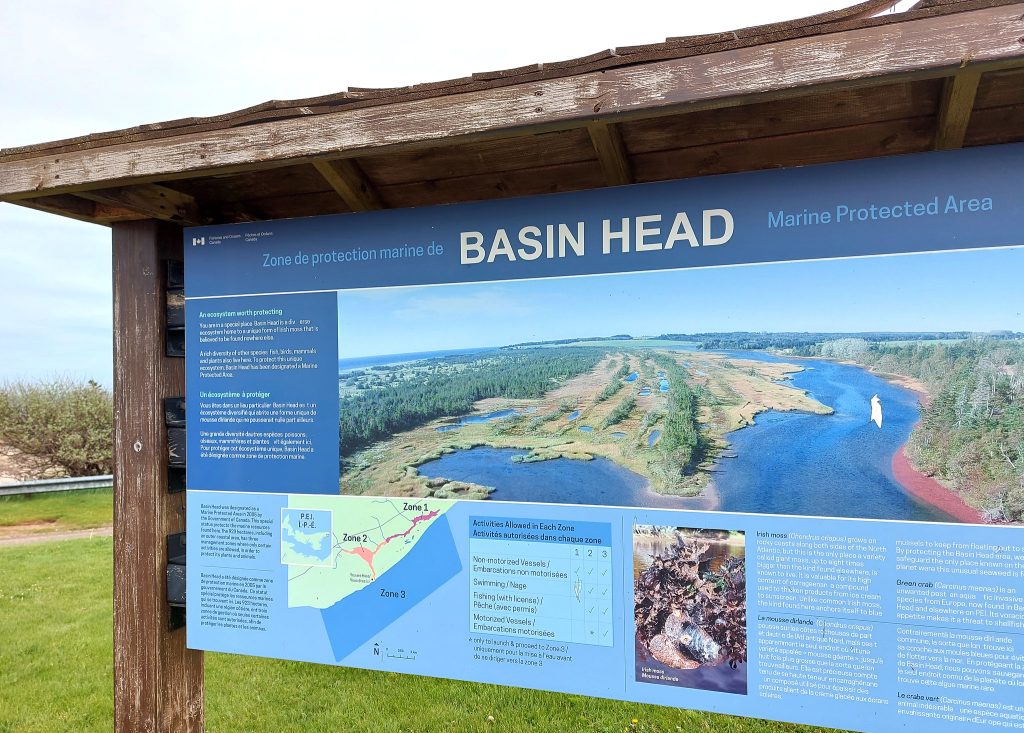
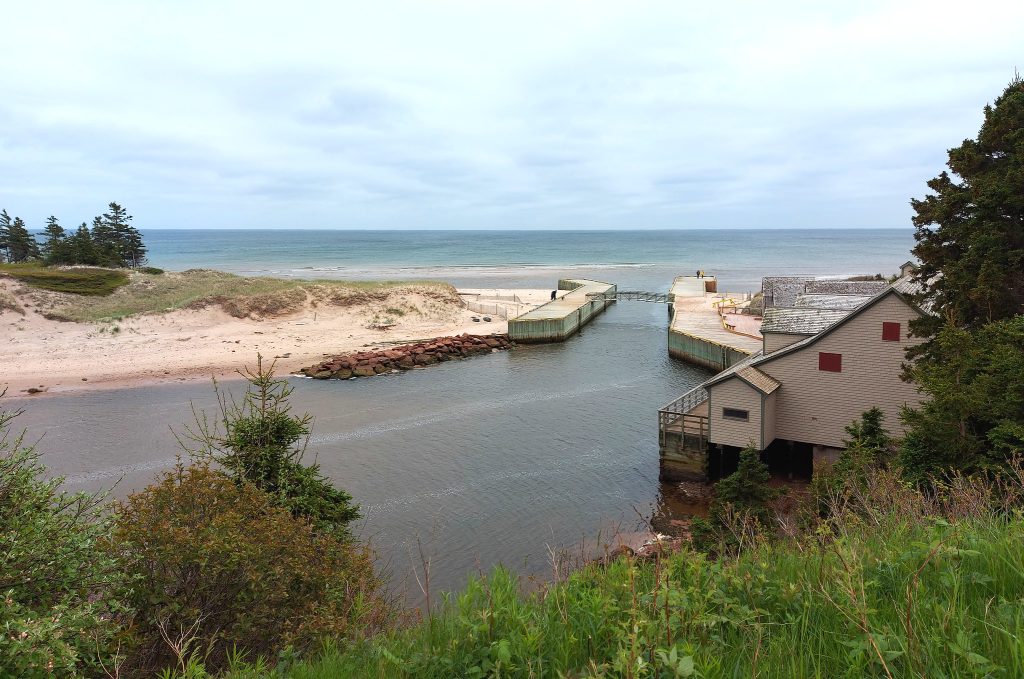
At 9 km2, the coastal MPA is vastly different from the ThT MPA, which is roughly 150 km offshore from Vancouver Island and 133,017 km2 in size. While they share few physical characteristics, the MPAs share the conservation goal of preserving the overall ecological integrity of the respective areas, as well as the precious marine life that thrives within them.
Like the differing MPAs, the Coastal Zone Canada 2025 conference acknowledged the wide array of coastal issues being faced across Canada but focused on the similarities between participants and communities.
In their closing remarks, Stephanie Arnold, Strategy + Innovation Manager, Climate Service Specialist, CLIMAtlantic Inc., described the use of “disruptive kindness” in their climate adaptation work and reminded participants of their shared obligation.
“What resilience can we collectively build because, we, together, spent the last three days together?” asked Arnold.
“How do we, as a collective, become more accountable to the opportunity that we have for sharing this time together?”